
Emissions trading: the annual obligations and the deadline for each one
The verified annual emissions report, the activity level report and the surrender of allowances are separate obligations, each with its own content and deadline. The campaign is best planned with the verifier from the close of the financial year.
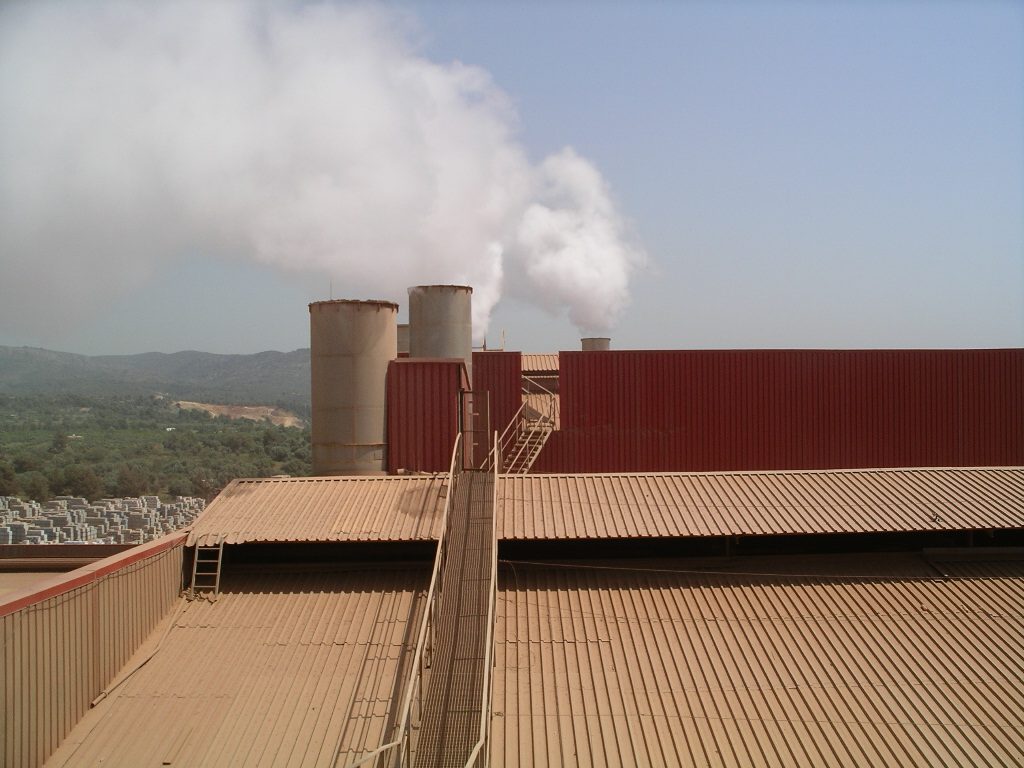
Installations covered by the emissions trading scheme have a calendar of their own that overlaps with the rest of the annual environmental returns. Each obligation has its own content, its own deadline and, in two cases, the involvement of an accredited verifier.
Verification is not a last-week formality: it requires a prior documentary review, checks on the activity data and, where appropriate, a site visit. Concentrating all the work in February also coincides with the busiest period for verification bodies.
Annual obligations
- The verified annual emissions report, submitted to the competent regional authority before 28 February (art. 23 of Spanish Act 1/2005), prepared in accordance with the approved monitoring plan and Regulation (EU) 2018/2066.
- The activity level report and its verification report, for installations with free allocation, in accordance with art. 7 of Royal Decree 1089/2020 and the annual instructions of the Spanish Climate Change Office.
- Surrender in the RENADE registry of allowances equivalent to the previous year's verified emissions, by 30 September, following the deadline introduced by Directive (EU) 2023/959 (previously 30 April).
- The return to the State Register of Emissions and Pollutant Sources (E-PRTR) before 28 February, if the complex is listed in Annex I of Royal Decree 508/2007.
To these must be added the improvement report provided for in Regulation (EU) 2018/2067: where the verifier makes recommendations or identifies irregularities, the operator must submit it to the competent authority before 30 June, once the emissions report has been closed.
It is also worth reviewing the installation's position for the 2026-2030 allocation period: those excluded from the general scheme under Royal Decree 203/2024 do not submit an activity level report or its verification report, unless they are brought back into the general scheme, but they retain the other monitoring obligations set out in their own decision.
Planning the campaign
The usual sequence works backwards from the verification date: process data closed in the first half of January, internal review of mass balances and emission factors, documentation handed to the verifier, and a two-week margin to answer their queries before the deadline.