
Responsible declaration or operating licence: how to determine which route applies
The route of administrative intervention depends on the activity, its environmental impact and local planning rules. It determines when the activity may start, what documentation is required and the operator's liability regime.
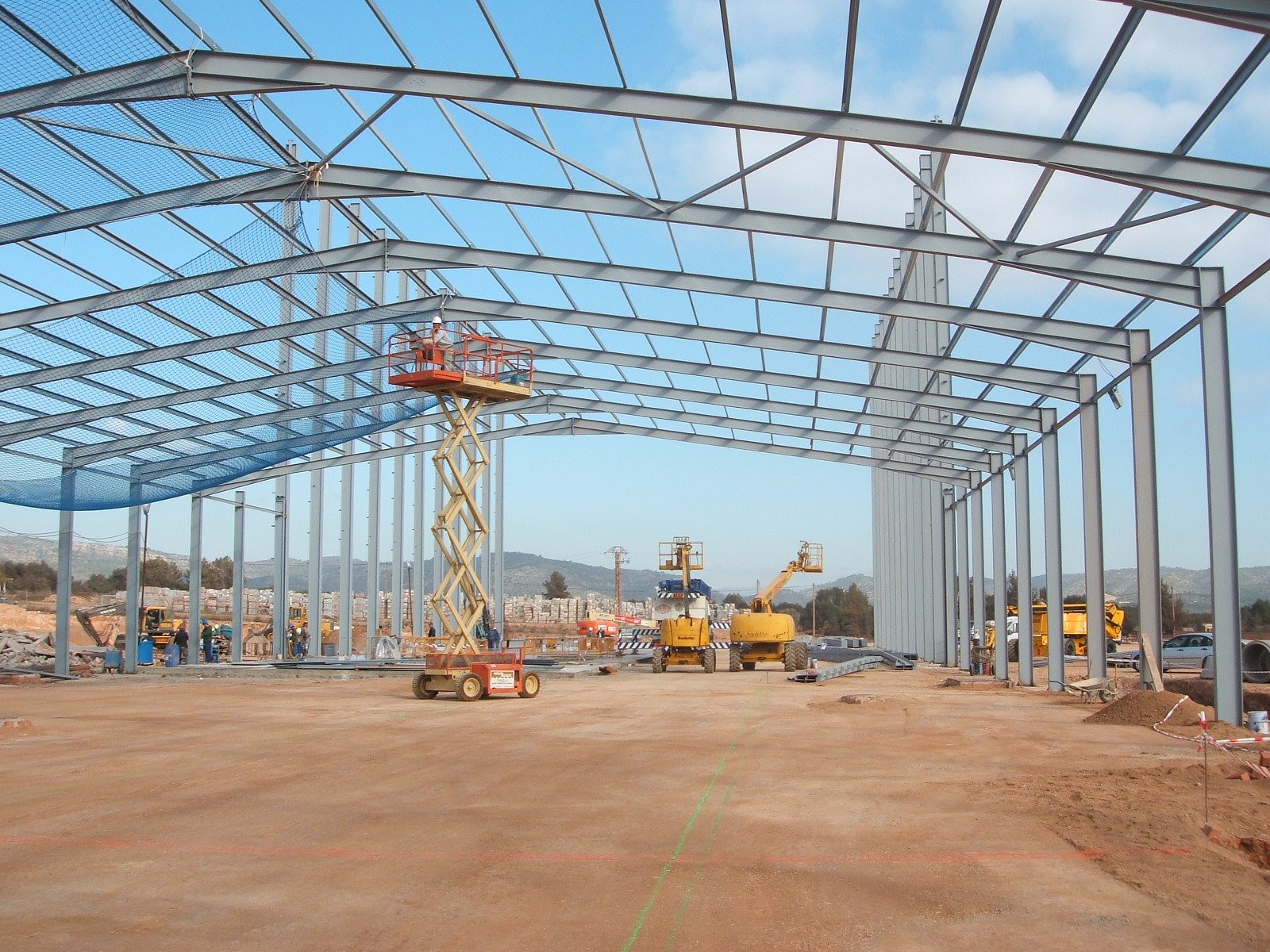
Which route applies is not a matter of choice: it is set by regional activity legislation and by the municipal by-laws, according to the specific activity, its installed capacity and equipment, and its environmental impact. It should be settled before committing to premises, not once the building work is finished.
Differences between the two regimes
- A responsible declaration allows the activity to start from the moment it is filed, with the operator taking responsibility for the accuracy and completeness of the documentation submitted.
- A licence requires an express decision from the town council, with its own decision period and any requests for correction.
- Subsequent municipal verification applies in both cases; a responsible declaration does not exempt anyone from inspection.
- A material inaccuracy or omission in the documentation may prevent the activity from continuing from the moment it is established.
The terminology varies from one autonomous region to another. In the Valencian Region, for example, Act 6/2014 sorts activities into four regimes according to their environmental impact — integrated environmental authorisation, environmental licence, environmental responsible declaration and notification of low-impact activities — and provides for a municipal verification visit within one month of the responsible declaration being filed. Other regions use different names for an equivalent scheme.
Documentation typically required
- A technical project or report on the activity, describing the process, the installed capacity and the occupancy.
- Planning justification that the use is compatible and, where the council requires it, a prior planning compatibility certificate.
- Environmental documentation: air emissions, discharges, waste and an acoustic study, depending on the activity.
- Fire safety justification under the Spanish regulation on fire safety in industrial establishments (Royal Decree 2267/2004) or under the Technical Building Code, depending on the use.
- Installation certificates and authorised installers' declarations, plus a final works and installation certificate signed by a qualified engineer.
- Public liability insurance where sectoral legislation or the by-laws require it.
Where an activity sits on the boundary between two categories, the classification should be documented in sufficient detail and, if doubt remains, a written enquiry should be put to the town council before filing.
Recommended order of checks
First, verify that the use is compatible with planning rules at that specific location. Second, determine which environmental intervention instrument applies. Third, consider whether the fit-out works can be processed within the same application. Only then, file.
Checking planning compatibility is the cheapest step of all and the one that avoids the most far-reaching problem: leased premises where the intended activity turns out not to be permitted.